Author Archives: superadmin-pantaipremier

What is Atherosclerosis and how it can contribute to heart disease?

What is Atherosclerosis and how it can contribute to heart disease?

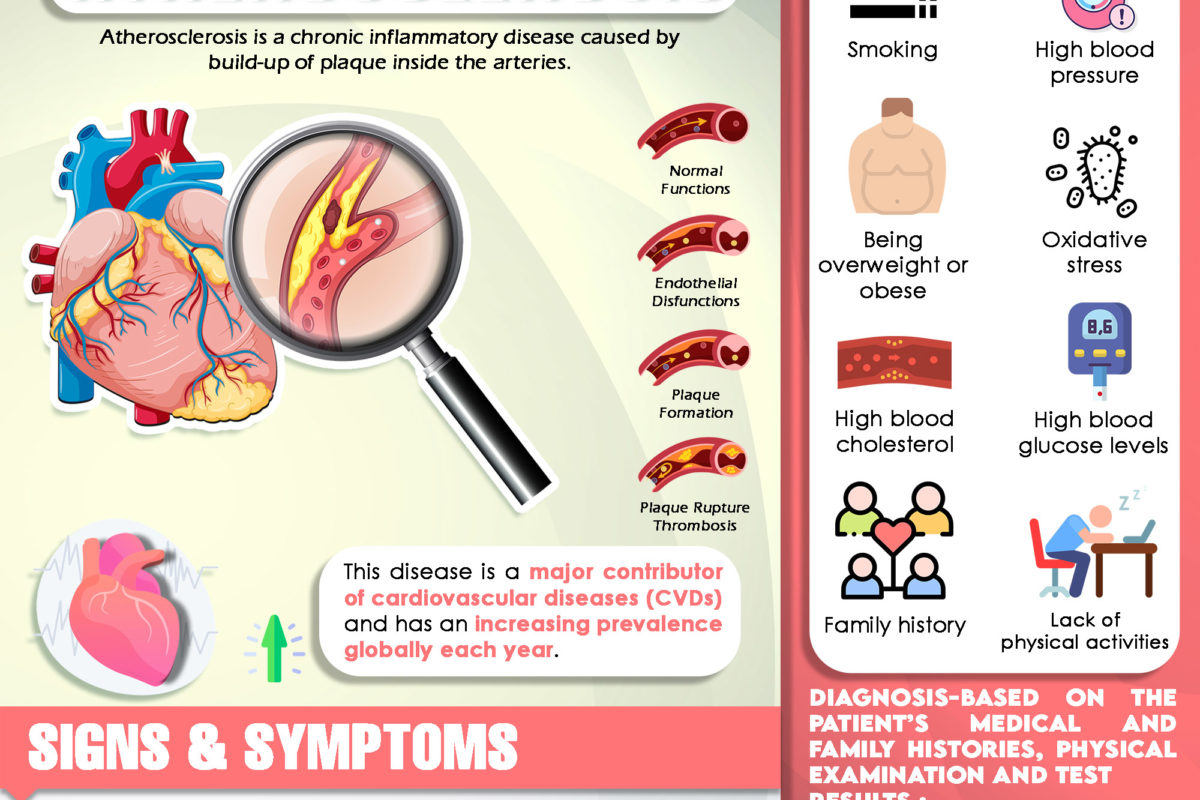
Atherosclerosis is a chronic inflammatory disease caused by build-up of plaque inside the arteries.1, 2, 3  This disease is a major contributor of cardiovascular diseases (CVDs) and has an increasing prevalence globally each year.2, 3, 4 

The chronic build-up of plaque (fatty deposits) in the artery wall causes blood vessel thickening and arterial stenosis (narrowing of artery wall). The narrowing within the artery channel will result in blood flow restriction, thereby, leading to tissue hypoxia.5, 6, 7, 8

Immune activation was identified in the atherosclerotic plaque where inflammatory cells are attracted within the arterial wall and into the atherosclerotic plaque, hence, promoting the progression of atherosclerotic lesions.2, 6, 7, 8


Signs & Symptoms

Atherosclerosis usually does not manifest any signs and symptoms until an artery is severely narrowed or blocked. Many people will only get to know they have the disease when a medical emergency such as a heart attack, unstable angina pectoris or stroke occurs.9, 10

Some individuals may have signs and symptoms of the disease which depends on which arteries are affected.11


Risk Factors

Atherosclerosis is a slow and complex disease which may develop in childhood and progress as a person ages.5, 11

Some common factors that cause damage to the inner lining of the arteries which will lead to atherosclerosis to take place are smoking, high blood pressure, being overweight or obese, oxidative stress (reactive oxygen species), high blood cholesterol, high blood glucose levels, family history and lack of physical activities.5, 11, 12, 13


Diagnosis

A medical practitioner will diagnose atherosclerosis based on the patient’s medical and family histories, physical examination and test results.5, 14


Blood Tests

A blood test is done to measure the levels of certain fats, cholesterol, glucose and proteins (biomarkers) in the blood. Abnormal levels of these parameters may be a sign that a person is at an increased risk of developing atherosclerosis.5, 14


Electrocardiogram (ECG)

An ECG is a simple and painless test that detects and records the electrical activity of the heart. The test can detect signs of a previous or current heart attack.5, 14


Echocardiography

An echocardiography test shows the size and shape of the heart and how well the heart chambers and valves are functioning. The test can also identify poor blood flow areas of the heart, areas of heart muscles that are not contracting normally and previous injury to heart muscle due to poor blood flow.5, 14


Exercise Stress Testing

During a stress test, the patient is required to exercise and make the heart work hard and beat fast while the heart tests are performed. Arteries that are narrowed due to plaque build up do not supply adequate amounts of oxygen-rich blood to the heart, hence, a stress test indicates possible symptoms of a coronary artery disease.5, 14


Angiography

An angiography test is done to observe the inside of the arteries by using dye and special x-rays. This test can show whether the arteries are blocked by a plaque and how severe is the blockage.5, 14


Computer Tomography (CT) Scan

A CT scan can show if an artery is hardening or narrowing.  The test can also indicate when there is calcium build up in the walls of the coronary arteries which is an early sign of a coronary artery disease.5

————————————————————————————————————————

Screening for asymptomatic atherosclerosis is important for an early diagnosis as an efficient strategy to control risk factors and prevent or delay atherosclerosis and its related diseases. It is also crucial to identify patients that require long-term surveillance, medication or surgery.5, 15, 16

At Pantai Premier Pathology, we provide screening tests for Heart Disease. For more information on the tests provided, please contact us at +603-42809115 (Customer Service) or email us at info@premierpathology.com.my.

———————————————————————————————————————–

References:

  1. Wolf, D., & Ley, K. (2019). Immunity and inflammation in atherosclerosis. Circulation research, 124(2), 315-327.
  2. Gregersen, I., & Halvorsen, B. (2018). Inflammatory Mechanisms in Atherosclerosis [E-book]. In Atherosclerosis. Licensee IntechOpen. https://doi.org/10.5772/intechopen.72222
  3. Taleb, S. (2016). Inflammation in atherosclerosis. Archives of cardiovascular diseases, 109(12), 708-715.
  4. Cardiovascular Diseases (CVDs). (2017, May 17). World Health Organization. https://www.who.int/en/news-room/fact-sheets/detail/cardiovascular-diseases-(cvds)
  5. Atherosclerosis. (2017, April 30). American Heart Association. https://www.heart.org/en/health-topics/cholesterol/about-cholesterol/atherosclerosis
  6. Wolf, D., & Ley, K. (2019). Immunity and inflammation in atherosclerosis. Circulation research, 124(2), 315-327.
  7.  Libby, P., Ridker, P. M., & Maseri, A. (2002). Inflammation and atherosclerosis. Circulation, 105(9), 1135-1143.
  8. Tuttolomondo, A., Di Raimondo, D., Pecoraro, R., Arnao, V., Pinto, A., & Licata, G. (2012). Atherosclerosis as an inflammatory disease. Current pharmaceutical design, 18(28), 4266-4288.
  9. Boamponsem, A. G., & Boamponsem, L. K. (2011). The role of inflammation in atherosclerosis. AASRFC. ISSN, 978610, 194-207.
  10. McCurdy, L. E., Winterbottom, K. E., Mehta, S. S., & Roberts, J. R. (2010). Using nature and outdoor activity to improve children’s health. Current problems in pediatric and adolescent health care, 40(5), 102-117.
  11. Atherosclerosis. (n.d.). National Heart, Lung and Blood Institute. Retrieved August 26, 2020, from https://www.nhlbi.nih.gov/health-topics/atherosclerosis
  12. Wang, L., Ai, D., & Zhang, N. (2017). Exercise Benefits Coronary Heart Disease. Advances in experimental medicine and biology, 1000, 3–7. https://doi.org/10.1007/978-981-10-4304-8_1
  13. Crowther, M. A. (2005). Pathogenesis of atherosclerosis. ASH Education Program Book, 2005(1), 436-441.
  14. Seong, A. C., & John, C. K. M. (2016). A review of coronary artery disease research in Malaysia. Med J Malaysia, 71(Supplement 1), 46.
  15. Woo, S. Y., Joh, J. H., Han, S. A., & Park, H. C. (2017). Prevalence and risk factors for atherosclerotic carotid stenosis and plaque: A population-based screening study. Medicine, 96(4), e5999. https://doi.org/10.1097/MD.0000000000005999
  16. Macedo, L. E. T. D. (2017). Cholesterol and prevention of atherosclerotic events: limits of a new frontier. Revista de saude publica, 51, 2.
Food Allergy | Causes, Symptoms and Diagnostic Tools

Food Allergy | Causes, Symptoms and Diagnostic Tools

Food Allergy

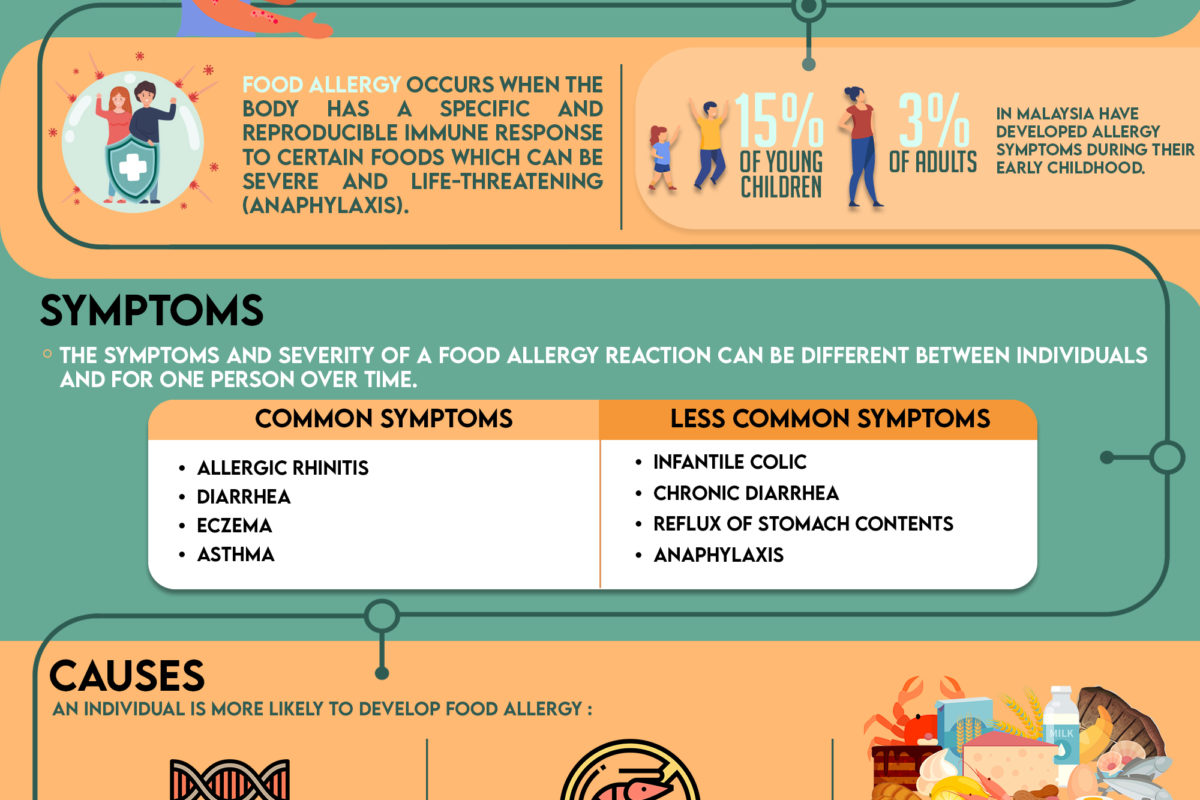
Food allergy is a  serious public health issue with an increasing prevalence that affects both the children and adults.1 It occurs when the body has a specific and reproducible immune response to certain foods which can be severe and life-threatening (anaphylaxis).2 This disease is also associated with an increased morbidity, affecting the daily quality of life.3    


Symptoms   

The symptoms and severity of a food allergy reaction can be different between individuals and for one person over time.2

Around 15% of young children and 3% of adults in Malaysia have developed allergy symptoms during their early childhood.4, 5 Food allergy reactions usually include the three main systems which are the digestive system, skin and respiratory system.6 The most common symptoms are allergic rhinitis, diarrhea, eczema and asthma, whereas, less common manifestations are infantile colic, chronic diarrhea, reflux of stomach contents, failure to thrive in children and anaphylaxis.4, 6 In some individuals, allergic reactions to food are mild but some may experience severe reactions that can result in death.6


Causes

An individual is more likely to develop food allergy when someone in the family has allergies (genetic disposition) or when certain foods trigger the allergic reactions. Among the common foods that often induce allergic reactions are eggs, legumes, nuts, seafood, shellfish, milk, soy, cereals (wheat, oats, barley, corn), fruits (apple, bananas, kiwi, avocado, papaya, etc.) and vegetables (potato, carrot, celery, etc.).2, 6


Diagnostic Tool

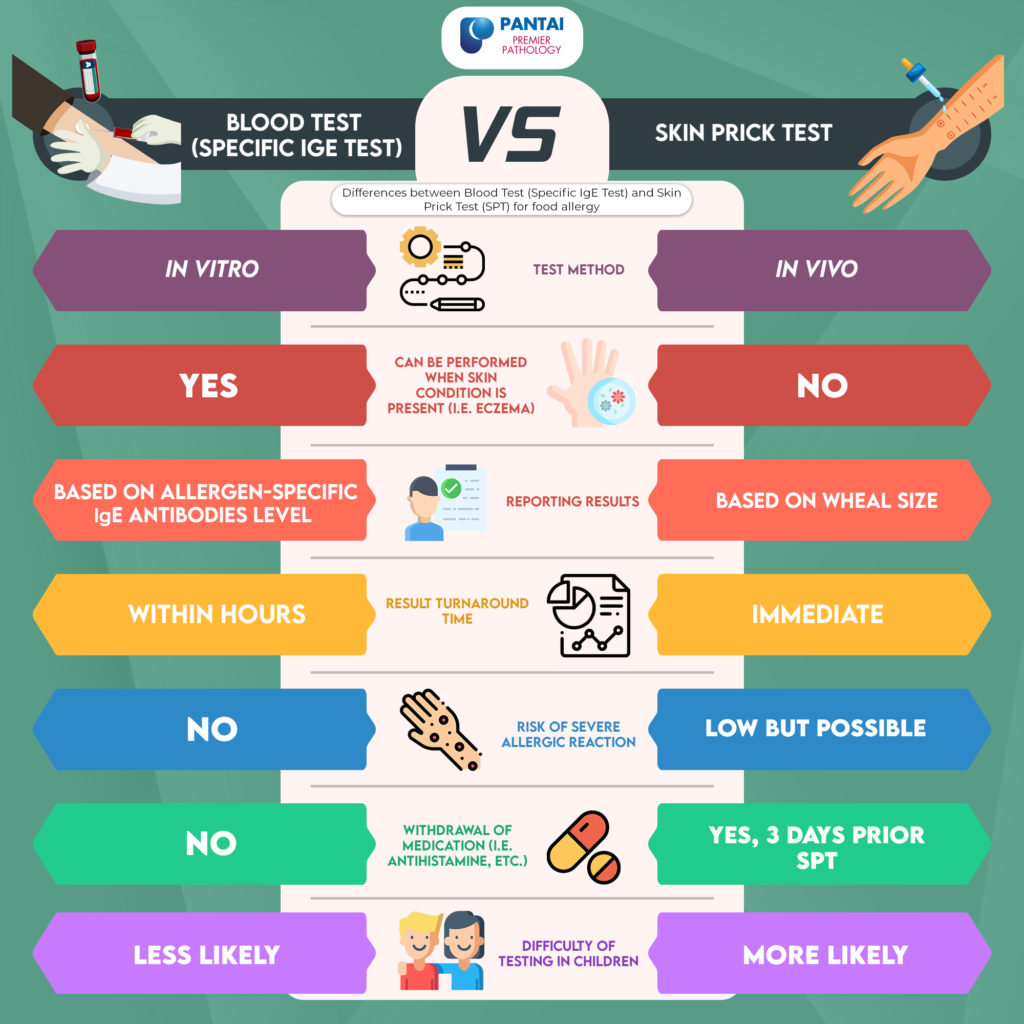
The most common diagnostic tests to evaluate IgE- mediated food allergy are skin prick test (SPT) or blood test specific IgE to allergens. 7, 8


The table below summarises the comparison between blood test which measures specific IgE to allergens and skin prick test.

Table 1: Summary of differences between Blood Test (Specific IgE Test) and Skin Prick Test (SPT)9


At Pantai Premier Pathology, we provide Single Allergen Testing and Multiple Allergen Testing to test for Allergy. For more information on the tests provided, please contact us at +603-42809115 (Customer Service) or email us at info@premierpathology.com.my.


References:

  1. Panel, N. S. E. (2010). Guidelines for the diagnosis and management of food allergy in the United States: report of the NIAID-sponsored expert panel. Journal of Allergy and Clinical Immunology, 126(6), S1-S58.
  2. Food Allergies. (n.d.). Centers for Disease Control and Prevention. Retrieved July 27, 2020, from https://www.cdc.gov/healthyschools/foodallergies/
  3. Sampson, H. A., Aceves, S., Bock, S. A., James, J., Jones, S., Lang, D., … & Randolph, C. (2014). Food allergy: a practice parameter update—2014. Journal of Allergy and Clinical Immunology, 134(5), 1016-1025. 
  4. Yadav, D. M. (2009b). Food allergy in infants and children. Allergy Center Malaysia. http://www.allergycentre.com.my/infants.html
  5. Yadav, D. M. (2009a). Food allergy in adults. Allergy Center Malaysia. http://www.allergycentre.com.my/adults.html
  6.  Lim Nyok Ling, D. D., & Lim Sern Chin, D. (n.d.). Food Allergy. MyHEALTH. Retrieved July 27, 2020, from http://www.myhealth.gov.my/en/food-allergy-2/
  7. Abrams, E. M., & Sicherer, S. H. (2016). Diagnosis and management of food allergy. Cmaj, 188(15), 1087-1093.
  8. Boyce, J. A., Assa’ad, A., Burks, A. W., Jones, S. M., Sampson, H. A., Wood, R. A., Plaut, M., Cooper, S. F., Fenton, M. J., Arshad, S. H., Bahna, S. L., Beck, L. A., Byrd-Bredbenner, C., Camargo, C. A., Jr, Eichenfield, L., Furuta, G. T., Hanifin, J. M., Jones, C., Kraft, M., Levy, B. D., … NIAID-Sponsored Expert Panel (2010). Guidelines for the Diagnosis and Management of Food Allergy in the United States: Summary of the NIAID-Sponsored Expert Panel Report. The Journal of allergy and clinical immunology, 126(6), 1105–1118. https://doi.org/10.1016/j.jaci.2010.10.008
  9. Ansotegui, I. J., Melioli, G., Canonica, G. W., Caraballo, L., Villa, E., Ebisawa, M., … & Sánchez, O. L. (2020). IgE allergy diagnostics and other relevant tests in allergy, a World Allergy Organization position paper. World Allergy Organization Journal, 13(2), 100080.

Peraduan Cari Kata Malaysia Prihatin PPP

Peraduan Cari Kata Malaysia Prihatin PPP

Terma & Syarat Peraduan

Peraduan Cari Kata Malaysia Prihatin di media sosial dianjurkan oleh Pantai Premier Pathology dan akan berlangsung dari 25 Ogos 2020 hingga 31 Ogos 2020.


Kelayakan

  1. Peraduan ini terbuka kepada semua warga Malaysia yang berumur 18 tahun ke atas kecuali kakitangan Pantai Premier Pathology.
  2. Dengan menyertai Peraduan ini, anda (“Peserta”) bersetuju untuk terikat dengan terma-terma dan syarat-syarat penyertaan dan anda juga bersetuju bahawa semua keputusan pihak Penganjur adalah muktamad dan tidak boleh dipertikaikan.
  3. Peserta bersetuju menyerah kesemua hak ciptanya yang berkenaan kepada pihak Penganjur.


Cara Penyertaan

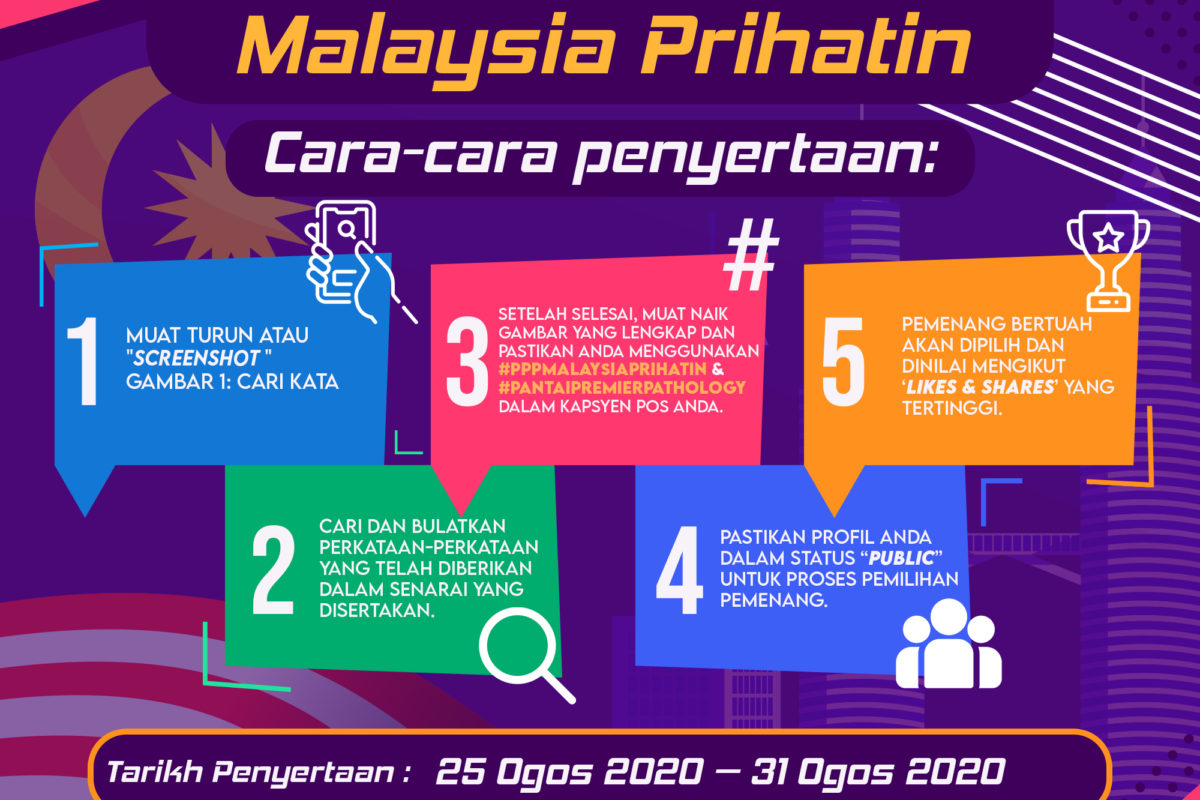
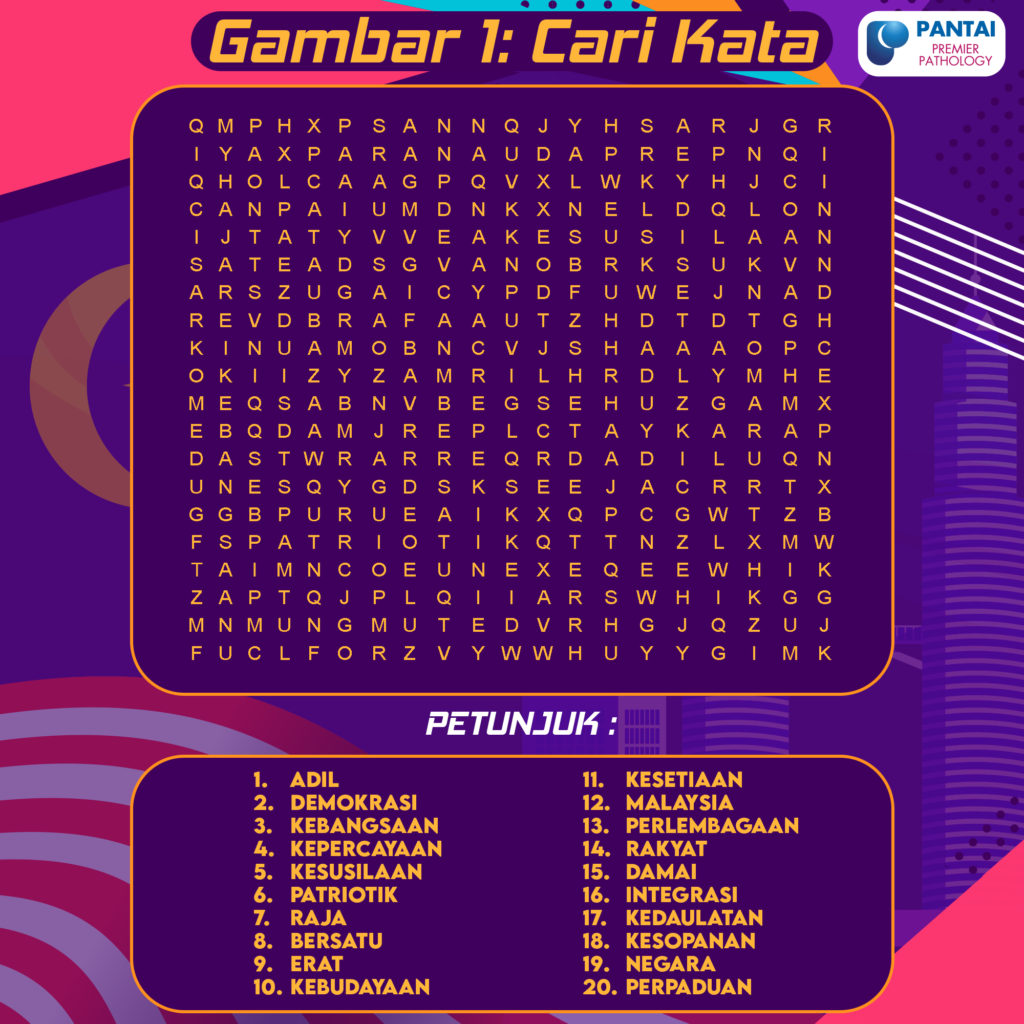
  1. Muat turun atau “screenshot” gambar Cari Kata yang dikongsikan oleh penganjur di dalam media sosial.
  2. Cari dan bulatkan perkataan-perkataan yang telah diberikan dalam senarai petunjuk yang disertakan.
  3. Setelah selesai, muat naik gambar yang lengkap dan pastikan anda menggunakan #PPPMalaysiaPrihatin dan #PantaiPremierPathology dalam kapsyen pos anda.
  4. Pastikan profil anda dalam status “public” untuk proses pemilihan pemenang.
  5. Pemenang-pemenang bertuah akan dipilih dan dinilai mengikut ‘Likes & Shares’ yang tertinggi.

*Platform sosial media yang terlibat: Facebook dan Instagram


Pemilihan Pemenang

  1. Seramai 3 pemenang keseluruhan akan dipilih dari laman media social melalui carian dari #PPPMalaysiaPrihatin dan #PantaiPremierPathology. Pemilihan pemenang akan dilakukan oleh pihak Penganjur berdasarkan kepada kriteria-kriteria di bawah:
    1. Jumlah jawapan yang betul.
    2. Jumlah likes yang paling banyak.
    3. Jumlah shares yang paling banyak.
    4. Penilaian juri-juri.
    5. Budi bicara pihak penganjur.


Had Liabiliti & Tanggungjawab

  1. Penganjur tidak akan bertanggungjawab untuk sebarang kegagalan, kesilapan dan/atau gangguan yang mungkin akan dihadapi atau ditanggung oleh peserta sebagai akibat langsung atau tidak langsung berikutan daripada sebarang perubahan, lanjutan atau pembatalan peraduan.
  2. Penganjur tidak bertanggungjawab untuk sebarang kegagalan memuatnaik penyertaan ke media sosial yang dihadapi oleh peserta.
  3. Peserta yang layak akan memberi hak penuh kepada Penganjur untuk penggunaan maklumat bagi tujuan promosi di masa hadapan dengan menyertai peraduan ini.
  4. Peserta hendaklah menanggung kerugian penganjur dan/atau penaja daripada dan terhadap semua liability, kos, kerugian atau perbelanjaan yang dialami itu akibat daripada apa-apa pelanggaran Terma & Syarat
  5. Peserta mengakui bahawa penyertaan dalam peraduan adalah pada risiko sendiri. Penganjur dan/atau penaja serah hak tidak akan bertanggungjawab kepada mana-mana peserta berkenaan dengan apa-apa kegagalan untuk memenangi hadiah dalam peraduan, hadiah yang rosak disebabkan kecuaian, tindakan dan/atau peninggalan sendiri atau salah guna hadiah atau apa-apa kerugian lain, ganti rugi, kos, perbelanjaan, tuntutan, liabiliti, kecederaan, kematian dan/atau kemalangan yang dialami oleh peserta semasa peraduan atau yang timbul daripda atau berkaitan dengan peraduan, penyertaan oleh peserta di dalam peraduan dan/atau hadiah yang diterima.


Hak Penganjur

  1. Penganjur berhak untuk menggunakan nama dan/atau maklumat peribadi yang diberikan oleh pemenang dan/atau gambar hadiah-hadiahnya sebagai bahan untuk tujuan pengiklanan dan/atau perdagangan dan/atau publisiti semasa penerimaan hadiah dan pemenang tidak berhak untuk membuat tuntutan pemilikan atau mendapat sebarang bentuk pampasan untuk bahan tersebut.
  2. Penganjur berhak untuk membatalkan penyertaan peserta (pada mana-mana peringkat peraduan) atas sebab peserta tidak mematuhi terma-terma yang tertakluk.
  3. Penganjur berhak untuk membatalkan mana-mana penyertaan tanpa menyatakan apa-apa sebab.
  4. Keputusan penganjur adalah muktamad dan sebarang rayuan tidak akan dilayan.
  5. Setiap penyertaan perlu dihantar kepada penganjur semasa atau sebelum tarikh tutup seperti mana yang telah ditetapkan dalam Terma & Syarat. Penyertaan yang dimuat naik selepas waktu tamat tidak akan diterima dan dianggap tidak layak.


Terma Penyertaan

  1. Semua peserta sedia maklum dan bersetuju untuk tertakluk di bawah semua Terma & Syarat dan keputusan yang dibuat oleh penganjur.
  2. Penganjur diberikan hak untuk menyiarkan nama dan/atau gambar dan memaparkan sebarang perkara berkaitan pemenang bagi tujuan pengiklanan dan publisiti tanpa memberi notis kepada pemenang.


Notis Privasi

  1. Peserta bertanggungjawab bagi memastikan bahawa data peribadi yang diberi adalah tepat, lengkap dan tidak mengelirukan serta memastikan bahawa data peribadi adalah yang terkini.
  2. Peserta bersetuju untuk penganjur dan/atau penaja unttuk mengumpul dan memproses data peribadi peserta.
  3. Semua maklumat peribadi peserta tidak akan dikongsi dengan mana-mana pihak ketiga.


Dengan menyertai peraduan ini, peserta dengan ini mengesahkan telah membaca dan bersetuju dengan Terma & Syarat yang ditetapkan.

Tuberculosis (TB)

Tuberculosis (TB)

Tuberculosis (TB) is categorized as one of the top infectious killers worldwide, despite being a preventable and curable disease, due to the devastating health, social and economic impact it poses.1, 2

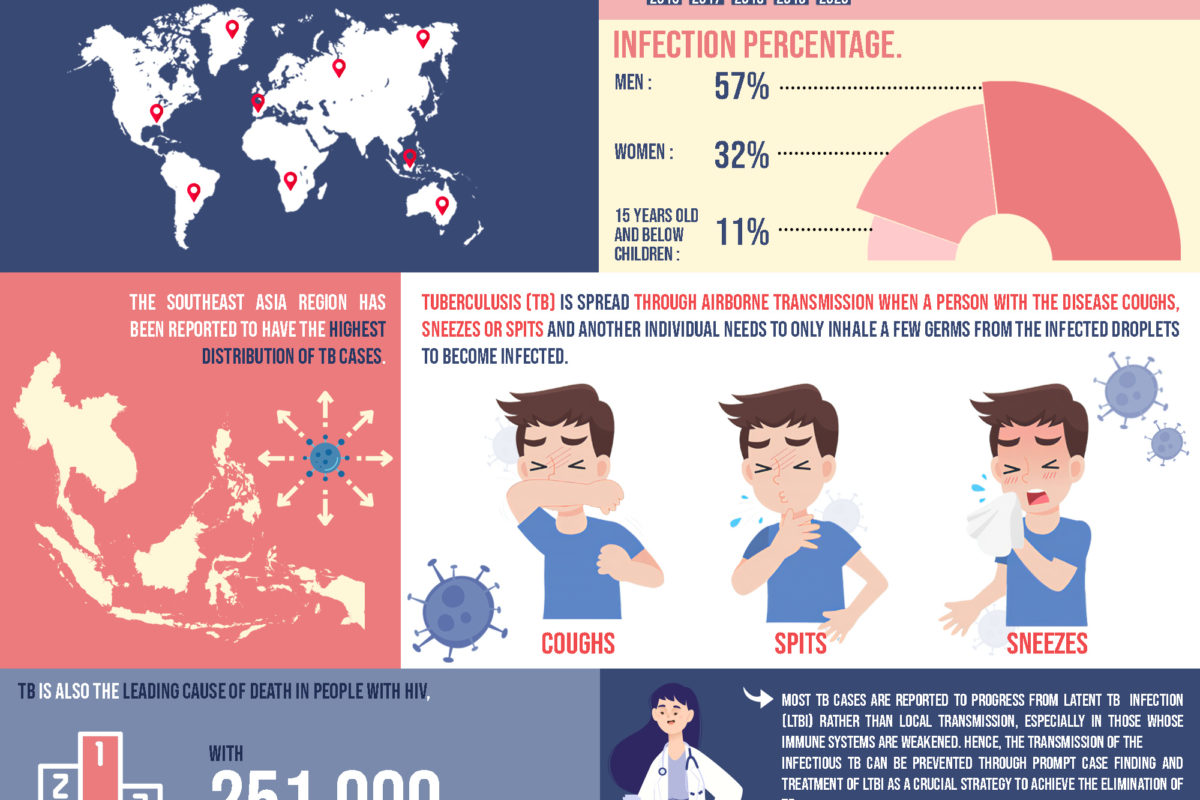
Each year, 10 million people are getting infected with TB, with 1.5 million deaths recorded in 2018.1, 2 Around 57% of which infected are men, 32% are women and 11% are children who are 15 years old and below. The SouthEast Asia region has been reported to have the highest distribution of TB cases.3

TB is also the leading cause of death in people with HIV, with 251,000 deaths reported and one of the main contributors to antimicrobial resistance with 484,000 individuals who fell ill with drug-resistant TB in 2018.1, 2

Mycobacterium tuberculosis is a bacteria that is responsible for TB infection by affecting the lungs.2, 4 TB is spread through airborne transmission when a person with the disease coughs, sneezes or spits and another individual needs to only inhale a few germs from the infected droplets to become infected.4

Most TB cases are reported to progress from latent TB infection (LTBI) rather than local transmission, especially in those whose immune systems are weakened. Hence, the transmission of the infectious TB can be prevented through prompt case finding and treatment of LTBI as a crucial strategy to achieve the elimination of TB.4, 5, 6


Reference:

  1. World Tuberculosis Day 2020. (n.d.). World Health Organization. Retrieved July 22, 2020, from https://www.who.int/campaigns/world-tb-day/world-tb-day-2020
  2. Tuberculosis. (n.d.). World Health Organization. Retrieved July 22, 2020, from https://www.who.int/health-topics/tuberculosis#tab=tab_1
  3. World Health Organization. (2019). TB Report (1.1) [Mobile App]. Play Store. https://apps.apple.com/my/app/tb-report/id1483112411
  4. Latent TB Infection and TB Disease. (2016). Centers for Disease Control and Prevention. https://www.cdc.gov/tb/topic/basics/tbinfectiondisease.htm
  5. Lönnroth, K., Migliori, G. B., Abubakar, I., D’Ambrosio, L., De Vries, G., Diel, R., … & Ochoa, E. R. G. (2015). Towards tuberculosis elimination: an action framework for low-incidence countries. European Respiratory Journal, 45(4), 928-952.
  6. Dobler, C. C., Martin, A., & Marks, G. B. (2015). Benefit of treatment of latent tuberculosis infection in individual patients. European Respiratory Journal, 46(5), 1397-1406.

Webinar TB – Lurking in the shadows of COVID-19

This event is co-organised by Pantai Premier Pathology and QIAGEN.

According to “Stop TB Partnership”, Tuberculosis (TB) remains the world’s biggest infectious disease killer, claiming around 1.5 million people globally every year (1). In Malaysia alone, more than 25,000 new cases of TB were reported in 2018 (2).
A global reduction of 25% in TB detection for 3 months due to the disruption of TB services from the COVID-19 pandemic could result in a 13% increase of TB deaths (3). As a result, we could see an additional 1.4 million TB deaths between 2020 and 2025 (3).
Join us in this live webinar as we discuss how we can best meet the UN’s call to maintain critical TB testing and treatment services during the COVID-19 pandemic response. Register now.
Event Details
Date:

August 18, 2020

Time:

1:00 – 2:00 p.m.

CPD points are available for attendees

Speakers


Dual burden of TB and COVID-19
Dr. Mohd Ihsani Mahmood
TB Leprosy Sector, Disease Control Division
Ministry of Health


Next chapter in preventing TB – LTBI
Mr. Calvin Sum
Sales Development Manager, SEA
QIAGEN